
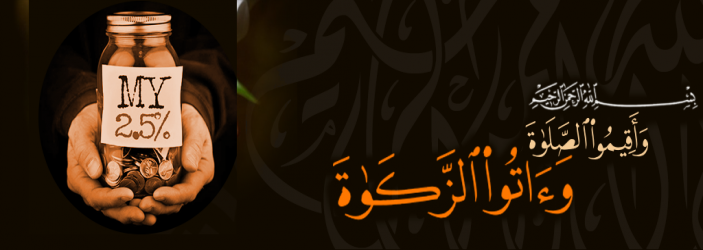
Pitfalls of Indian Zakat System
India is forging ahead as one of the fastest economies of the world with an annual GDP growth of 7.5%. In this fast-evolving situation, what is the role of Indian Muslims? While everyone in the country moves ahead, Muslims are left far behind.
Allah does not change the condition of a people unless they want to make the change. One of the best instruments available to the community for removal of its backwardness is Zakat. However, there is currently no effective utilization of this instrument in India.
Indian Zakat Potential vs Reality
Major Deficiencies in Current Zakat System
Unawareness & Informal Calculation
Rich individuals default or calculate Zakat arbitrarily without proper stock-taking of gold, silver, bank deposits, shares, and trading assets.
Lack of Recipient Identification
Donors lack time and data to visit poor settlements, identify genuinely deserving recipients, or evaluate the exact quantum of assistance needed.
Unutilized Financial Instruments
Modern instruments like stocks, mutual funds, derivatives, and pensions lack clear valuation guidance for the average Muslim donor.
Disbursement & System Deficits
Absence of centralized recipient data banks, poverty level assessments, or systematic checks and balances leads to low community impact.
The Solution — Establishing Mosque-Based Zakat Markaz
Modern technology enables the institutionalization of Zakat with complete transparency and checks and balances, involving Imams, scholars, and professional experts. Establishing a Zakat Markaz in local mosques allows educated youth volunteers to liaise with Imams to streamline collection and distribution.
Imams can play a vital role in guiding givers on determining Zakat liabilities across complex asset classes (gold, stock-in-trade, mutual funds, real estate, livestock), receiving fair compensation as part of Aamileen-e-alaiha. Centralized electronic tracking maintains verified records of donors and recipients.
Zakat institutions can organize structured programs for youth career counseling (guided by specialists in sociology, psychology, law, and IT) and emergency disaster relief, mobilizing India's ₹20,000 Crore potential for transformative community progress.
Support institutionalized Zakat management to ensure efficient collection, transparent distribution, and community empowerment.
Regards,
Team AMP